Manual drilling offers affordable access to groundwater, particularly for rural communities, utilizing techniques like hand-sludge and rota-sludge methods.
These methods, alongside stone hammer drilling, are crucial for well construction, especially where machinery is limited.
The Importance of Manual Drilling Techniques
Manual drilling techniques are exceptionally vital for providing sustainable water access to underserved rural populations, offering a cost-effective alternative to mechanized methods.
These techniques, detailed in resources like the “Drilling: The Manual of Methods,” empower local drillers and communities with the skills to construct wells independently.
The affordability of manual drilling, particularly in regions like North Bengal, India, and Mexico, makes safe water sources attainable for a larger segment of the population, addressing the challenges of high per capita costs associated with conventional water infrastructure.
Furthermore, manual methods complement other drilling approaches, enhancing overall water resource management.
Historical Overview of Manual Drilling
Manual drilling boasts a long history, evolving from traditional methods to refined techniques documented in modern compendiums. Early practices, like the hand-sludge method, were foundational in regions such as North Bengal, India, where initial research focused on affordability and efficiency.
Over time, innovations like the rota-sludge technique emerged, combining sludging and percussion for increased versatility.
While pneumatic/hammer drilling exists, information remains limited, highlighting the continued importance of mastering core manual techniques.
These historical developments demonstrate a persistent need for accessible, low-cost water solutions, driving ongoing refinement of manual drilling practices globally.
Understanding Groundwater and Well Construction
Well construction via manual drilling requires understanding groundwater sources and aquifers. Careful design is vital for effective, sustainable access to this crucial resource.
Groundwater Sources and Aquifers
Groundwater, a vital resource accessed through manual drilling, originates from rainfall and surface water infiltration, accumulating within geological formations. Aquifers, permeable layers of rock or sediment, store and transmit this water. Understanding aquifer characteristics – depth, yield, and recharge rate – is crucial for successful well construction.
Different aquifer types exist, influencing drilling techniques. Confined aquifers, sandwiched between impermeable layers, hold water under pressure, while unconfined aquifers are directly connected to the surface. Identifying the local hydrogeological setting is paramount before initiating any manual drilling project, ensuring sustainable water access for communities.
Well Design Considerations for Manual Drilling
Well design for manual drilling differs from mechanized methods, prioritizing simplicity and affordability. Key considerations include well depth, determined by aquifer depth and desired yield, and diameter, influencing pump selection and sludge removal efficiency.
Casing prevents well collapse and contamination, while screening allows water entry while filtering sediment. The choice of materials – PVC, steel, or locally sourced options – impacts cost and durability. Proper well sealing is vital to prevent surface contamination. Careful planning, considering local geology and hydrogeology, ensures a sustainable and reliable water source through manual drilling.

Manual Drilling Methods: An Overview
Manual drilling encompasses techniques like hand-sludge, rota-sludge (combining sludging and percussion), and stone hammer drilling, offering versatile and affordable water access.
Hand-Sludge Drilling Technique
Hand-sludge drilling represents a traditional, cost-effective method for accessing groundwater, particularly suited for rural areas with limited resources. This technique relies on manual labor to excavate a borehole, utilizing a sludge mixture to stabilize the walls and facilitate the removal of cuttings.
The process involves repeatedly lowering a drilling tool – often a heavy chisel or spoon – into the borehole, twisting and lifting to break up the soil. The resulting sludge, a combination of water and excavated material, is then periodically removed using buckets or pumps.
Historically employed in regions like North Bengal, India, this method provides a foundational approach to manual well construction, often serving as a starting point for more advanced techniques.
Rota-Sludge Drilling Technique – Detailed Explanation
Rota-sludge drilling builds upon the hand-sludge method, incorporating a rotating action for increased efficiency and penetration, especially in challenging geological formations. This technique combines sludging with percussion, making it versatile for diverse soil conditions.
A rotating drill bit, attached to a hand-operated mechanism, breaks up the soil while simultaneously creating a sludge mixture for borehole stabilization. This sludge aids in removing cuttings and prevents collapse.
The handbook details this method, highlighting its adaptability and effectiveness. It’s particularly useful when encountering varied subsurface conditions, offering a robust solution for manual well construction.
Stone Hammer Drilling – Part One: Principles
Stone hammer drilling represents a traditional, low-cost manual drilling approach, aiming for efficiency and affordability for rural populations. The core principle involves using a heavy stone hammer to repeatedly impact the borehole, fracturing the underlying rock or hard soil.
This percussive action, combined with a twisting motion, gradually creates a well shaft. The objective is to maximize efficiency while minimizing costs, making wells accessible to a wider segment of the community.
Initial research focused on North Bengal, India, utilizing this technique alongside traditional hand-sludge methods.
Tools and Equipment for Manual Drilling
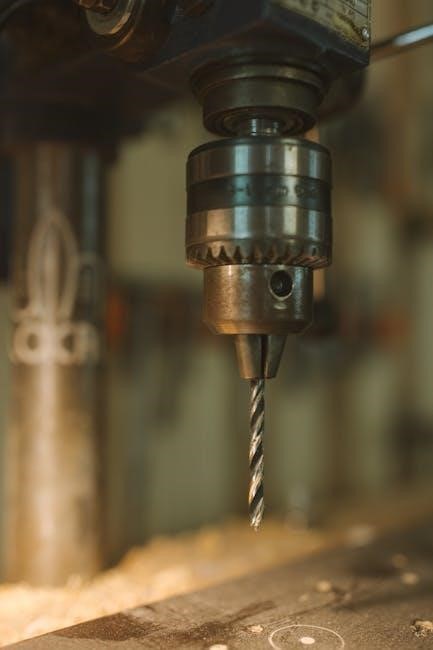
Essential tools include hand augers, drilling bits selected for soil type, casing pipes for well stability, and screening materials to prevent sediment entry.
Essential Hand Tools for Drilling
A comprehensive toolkit is vital for successful manual drilling. Key implements include sturdy hand augers for initial soil removal, various drilling bits tailored to different geological formations – from soft earth to harder strata.
Robust casing pipes are essential for preventing well collapse, alongside screening materials to filter out sediment and ensure water quality. Additional necessities encompass measuring tapes, levels, wrenches, and robust ropes for bit retrieval.
Proper maintenance of these tools is paramount, ensuring longevity and efficient operation. A well-equipped driller, combined with appropriate training, significantly enhances project success and affordability, particularly in rural settings.
Drilling Bits and Their Selection
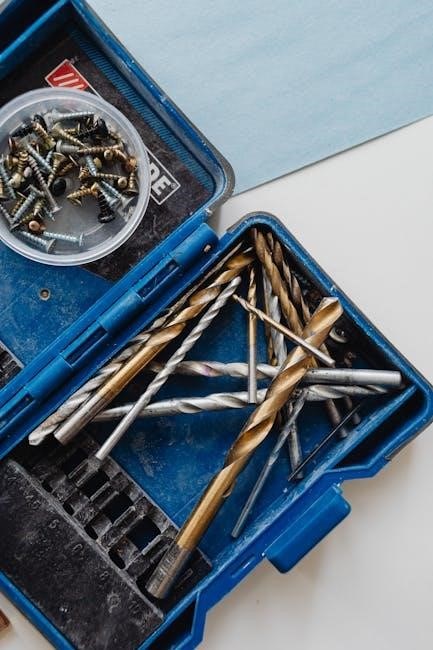
Selecting the correct bit is crucial for efficient manual drilling. Different formations demand specific bit designs; for soft soils, simple auger bits suffice, while harder strata require more robust options like fishtail or button bits.
Bit diameter must align with casing pipe size, ensuring a snug fit to prevent collapse. Material quality – typically hardened steel – impacts durability and resistance to wear. Regular sharpening is essential to maintain cutting efficiency.
Experienced drillers often carry a variety of bits to adapt to changing subsurface conditions, maximizing progress and minimizing downtime. Proper bit selection directly influences drilling speed and overall project cost-effectiveness.
Casing and Screening Materials
Casing prevents well collapse and contamination, typically constructed from PVC or steel. PVC is favored for its affordability and corrosion resistance, while steel offers greater strength in unstable formations. Screening materials, placed opposite the aquifer, allow water inflow while blocking sediment.
Screen slot size is critical; too large, and sediment enters, reducing well yield. Too small, and flow is restricted. Gravel packing around the screen enhances filtration and stabilizes the well. Material selection depends on soil type and water quality.
Proper installation ensures a secure, long-lasting well, safeguarding the water source for years to come.
The Drilling Process: Step-by-Step Guide
Manual drilling involves careful site selection, collar construction, and initial drilling, followed by consistent sludge removal to reach the aquifer safely and efficiently.
Site Selection and Preparation
Careful site selection is paramount for successful manual drilling. Initial assessment involves understanding local hydrogeology and identifying potential groundwater sources. Consider accessibility for equipment and personnel, avoiding areas with obstructions or potential contamination risks.
Preparation includes clearing vegetation, leveling the ground, and establishing a stable drilling platform. Proper site layout facilitates efficient sludge removal and casing installation. Prioritize locations serving multiple households, addressing the needs of small villages and hamlets often overlooked by larger infrastructure projects. Thorough preparation minimizes drilling challenges and maximizes well yield.
Collar Construction and Initial Drilling
Collar construction is vital for preventing surface contamination and ensuring well stability. Begin by excavating a circular area, typically 60-90cm in diameter, and reinforcing it with stones, bricks, or concrete rings. This creates a protective barrier around the wellhead.
Initial drilling commences within the collar, utilizing hand-sludge or rota-sludge techniques. Gradually penetrate the upper soil layers, maintaining a vertical alignment. Regularly remove excavated material (sludge) to prevent cave-ins and facilitate deeper penetration. Careful monitoring of soil characteristics guides adjustments to drilling parameters, optimizing efficiency and minimizing risks.
Sludge Removal Techniques
Efficient sludge removal is paramount in manual drilling, preventing blockages and enabling continued progress. Traditional methods involve manual bailing using buckets attached to ropes, a labor-intensive but effective approach. Alternatively, augers can be employed to mechanically lift sludge, particularly in cohesive soils.
Water jetting, utilizing a hand-operated pump, assists in fluidizing the sludge for easier removal. Regular clearing of the borehole is crucial, alongside consistent monitoring of sludge composition to assess geological changes. Proper disposal of excavated material minimizes environmental impact and maintains a safe working environment.
Addressing Geological Challenges
Manual drilling encounters varied soil types and rock formations, demanding adaptable techniques. Identifying potential contamination risks and employing appropriate mitigation strategies are essential for safe water access.
Drilling in Different Soil Types
Manual drilling necessitates adapting techniques to diverse geological conditions. In sandy soils, the hand-sludge method proves effective, allowing for relatively quick penetration. However, clay presents a significant challenge, requiring consistent effort to remove the dense sludge and prevent borehole collapse.
Gravel layers can also complicate the process, potentially causing instability. Experienced drillers utilize careful casing installation and sludge management to navigate these complexities. Understanding soil composition is paramount for selecting the most appropriate manual drilling technique and ensuring well integrity. Successful drilling relies on recognizing and responding to the unique characteristics of each soil type encountered.
Dealing with Rock Formations
Manual drilling encounters significant hurdles when penetrating rock formations. The traditional hand-sludge method becomes largely ineffective, demanding alternative approaches like the stone hammer technique or, if available, pneumatic/hammer drilling.
Percussion is key; repeatedly striking the rock with a hammer and chisel creates fractures. This process is slow and physically demanding, requiring substantial effort and specialized tools. Careful monitoring for borehole stability is crucial, as fractured rock is prone to collapse. Successful rock penetration with manual methods relies on patience, technique, and a thorough understanding of the rock’s properties.
Identifying and Managing Groundwater Contamination Risks
Manual drilling, while cost-effective, necessitates careful attention to groundwater contamination risks. Poor well construction can create pathways for surface pollutants to enter the aquifer.
Proper casing and sealing are paramount; the casing must extend sufficiently below the water table and be adequately sealed to prevent infiltration. Site selection is critical – avoid areas near potential contamination sources like latrines or agricultural runoff. Regular water quality testing is essential to monitor for bacterial, chemical, or other harmful substances. Community education on well maintenance and hygiene practices further mitigates contamination risks.
Pneumatic/Hammer Drilling – A Brief Overview
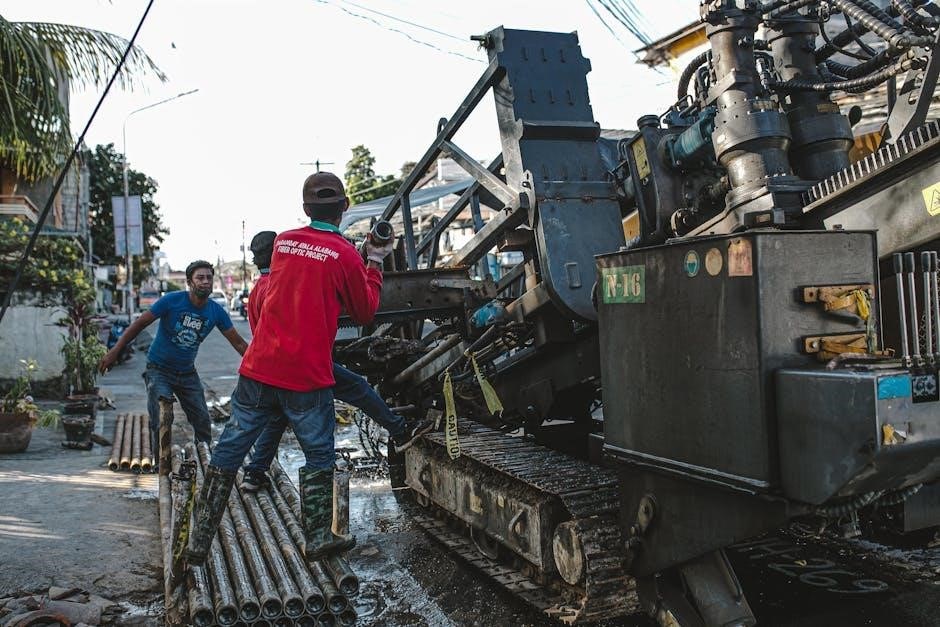
Pneumatic/hammer drilling, though a related technique, receives limited detailed coverage in resources focused on manual methods, presenting an informational gap for drillers.
Limitations of Information on Pneumatic Drilling
Despite its relevance as a drilling method, comprehensive documentation regarding pneumatic or hammer drilling techniques remains surprisingly scarce within the broader context of manual drilling literature. A key resource, “Drilling: The Manual of Methods,” acknowledges this deficiency, noting a “poor topic” regarding this specific approach.
This lack of detailed information presents a challenge for drillers seeking to expand their skillset or understand the nuances of pneumatic methods. While the principles are touched upon, practical application, troubleshooting, and advanced techniques are often insufficiently addressed, hindering effective implementation and knowledge transfer.
Basic Principles of Hammer Drilling
Hammer drilling, while less detailed in available resources, fundamentally relies on the repeated impact of a weighted hammer to fracture rock and soil. This percussive force, delivered through a drill bit, creates pathways for advancement, differing from rotational methods.
Effectiveness hinges on consistent, controlled hammering, coupled with bit selection appropriate for the geological formation. Though often used in conjunction with sludging techniques to remove debris, pneumatic variations exist. Understanding the interplay between impact force, bit design, and material properties is crucial for successful hammer drilling operations.
Well Development and Testing
Well development removes fine particles, increasing yield, while water quality testing ensures safety and potability of manually drilled wells for rural populations.
Well Development Techniques
Well development following manual drilling is critical for maximizing water yield and ensuring long-term well performance. Techniques involve removing fine sediments and drilling fluids from the well’s screened interval and surrounding aquifer. Surging, utilizing a plunger or bailer, creates a pumping action to dislodge particles.
Air lifting employs compressed air to lift water and sediment, while jetting uses high-velocity water jets. Careful monitoring during development is essential to avoid excessive sediment entering the well, potentially reducing its capacity; Proper development enhances hydraulic connectivity between the well and the aquifer, leading to improved water flow rates and overall well efficiency.
Water Quality Testing Procedures
Water quality testing is paramount after manual drilling to ensure the water is safe for consumption and other intended uses. Initial testing should include physical parameters like turbidity, color, and temperature. Chemical analysis assesses pH, salinity, and the presence of major ions like nitrates and fluorides.
Microbiological testing is crucial to detect bacterial contamination, particularly E. coli, indicating fecal pollution. Regular monitoring is recommended, especially after heavy rainfall or changes in land use. Accurate record-keeping of test results is vital for tracking water quality trends and implementing appropriate treatment measures if needed.
Cost-Effectiveness and Affordability
Manual drilling presents a cost-effective solution for rural water access, lowering per capita costs, especially in small villages where mechanized options are expensive.
Manual Drilling for Rural Populations
Manual drilling techniques are particularly vital for providing water access to rural populations facing economic and logistical constraints. Traditional methods, like hand-sludge and rota-sludge, offer an affordable alternative to expensive mechanized drilling.
This affordability extends access to communities often overlooked by larger-scale water projects. The lower costs associated with manual drilling, coupled with appropriate training, empower local drillers and ensure sustainable water solutions.
These techniques are especially relevant in regions like North Bengal, India, where they’ve been successfully implemented to serve dispersed communities, addressing the challenges of high per capita costs for conventional improvements.
Per Capita Cost Analysis
Manual drilling presents a compelling economic advantage, particularly when analyzing per capita costs for water access in small, rural communities. Conventional water infrastructure improvements often prove prohibitively expensive for these hamlets, leaving them underserved.
Manual methods significantly reduce these costs, making clean water accessible to a larger segment of the population. While precise figures vary, the lower equipment and operational expenses associated with manual techniques translate to a more affordable solution.
This cost-effectiveness is crucial for ensuring equitable access to water, especially in developing countries where financial resources are limited.

Manual Drilling in Specific Regions
Manual drilling finds practical application in regions like North Bengal, India, and Mexico, offering localized solutions for groundwater access and rural water supply.
Case Study: North Bengal, India
North Bengal, India, serves as a pivotal case study for manual drilling implementation. Initial research focused on utilizing the traditional hand-sludge method to make well construction more accessible and affordable for the rural population.
This region demonstrated the potential of low-cost drilling techniques to address water scarcity challenges. The objective was to maximize efficiency and minimize expenses, ensuring a larger segment of the community could benefit from improved water access.
The success in North Bengal highlighted the viability of manual drilling as a sustainable solution in similar contexts.
Applications in Mexico and Other Developing Countries
Manual drilling techniques are gaining traction in Mexico and across various developing nations, offering a cost-effective alternative to mechanized methods. Drillers in Mexico find resources like “Drilling: The Manual of Methods” invaluable, despite limited information on pneumatic/hammer drilling within it.
These techniques address the challenges of reaching remote communities and overcoming financial barriers to safe water access. The adaptability of methods like rota-sludge and hand-sludge proves crucial in diverse geological conditions.
Manual drilling empowers local communities and fosters sustainable water solutions.
Safety Considerations in Manual Drilling
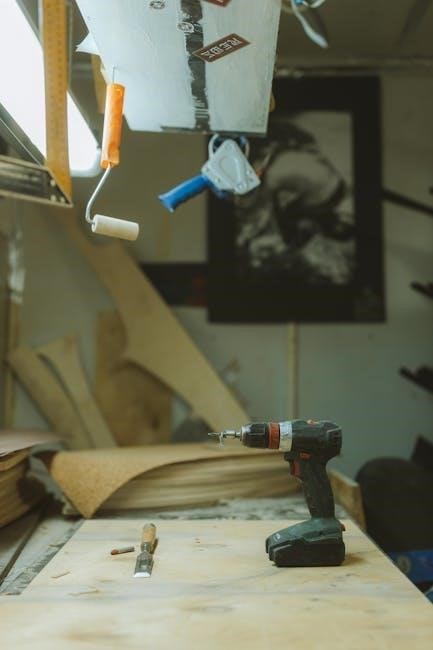
Prioritizing safety requires consistent use of Personal Protective Equipment (PPE) and proactive measures to prevent well collapse during manual drilling operations.
Personal Protective Equipment (PPE)
Essential PPE for manual drilling significantly minimizes risks. This includes sturdy work boots with steel toes to protect against falling objects and ground hazards. Durable gloves are crucial for hand protection during handling of tools and casing materials, preventing blisters and abrasions.
Eye protection, such as safety glasses or goggles, shields against dust and debris. A hard hat is non-negotiable, safeguarding against head injuries from potential collapses or dropped items. Consider respiratory protection, like a dust mask, especially in dry or dusty conditions. Proper attire, including long sleeves and pants, offers additional skin protection during the drilling process.
Preventing Well Collapse and Accidents
Preventing well collapse during manual drilling requires careful casing installation and ongoing monitoring. Utilize appropriate casing materials and ensure proper depth placement to stabilize the borehole. Regularly inspect the borehole walls for signs of instability, like sloughing or cracking.
Accident prevention demands thorough site assessment before drilling, identifying potential hazards. Implement a buddy system, ensuring drillers work in pairs for immediate assistance. Secure the drilling site, clearly marking the work area and controlling access. Proper tool maintenance and safe handling practices are paramount to avoid injuries.
Training and Skill Development for Drillers
Comprehensive training programs are vital for drillers, covering techniques, geology, safety, and water quality. Resources for education enhance skills and ensure sustainable well construction.
Importance of Comprehensive Training Programs
Effective manual drilling relies heavily on well-trained personnel. Comprehensive programs are essential, equipping drillers with the necessary skills to accurately assess sites and implement appropriate techniques.
These programs should cover geological understanding, proper tool usage, safe working practices, and efficient sludge removal. Furthermore, training must emphasize water quality testing and well development procedures.
Investing in driller education ensures sustainable access to groundwater, minimizes risks of contamination or well collapse, and ultimately empowers local communities with reliable water sources. Skilled drillers are the cornerstone of successful manual drilling initiatives.
Resources for Driller Education
Several resources support manual drilling education globally. The Rural Water Supply Network (RWSN) provides valuable compendiums and handbooks detailing various techniques, including sludging and rota-sludge methods.
Published materials, like “Drilling: The Manual of Methods,” offer detailed insights into drilling practices, geology, and machinery, though information on pneumatic drilling may be limited.
Practical, hands-on workshops and field training, often initiated in regions like North Bengal, India, are crucial. Accessing these resources empowers drillers and ensures sustainable, safe, and effective well construction for rural populations.