Hanuman Chalisa in Kannada PDF: A Comprehensive Guide
This guide explores accessing the Hanuman Chalisa in Kannada PDF format, detailing its significance, reliable sources, and recitation practices within Karnataka’s cultural context.
Discover resources like radiovd.com for readily available PDFs, alongside insights into understanding the text and its benefits for spiritual well-being.
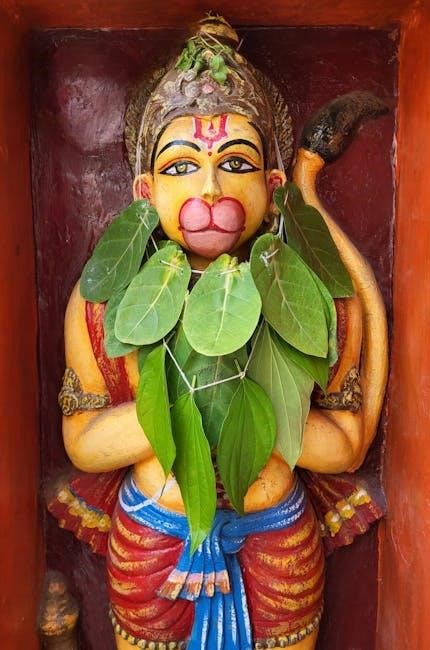
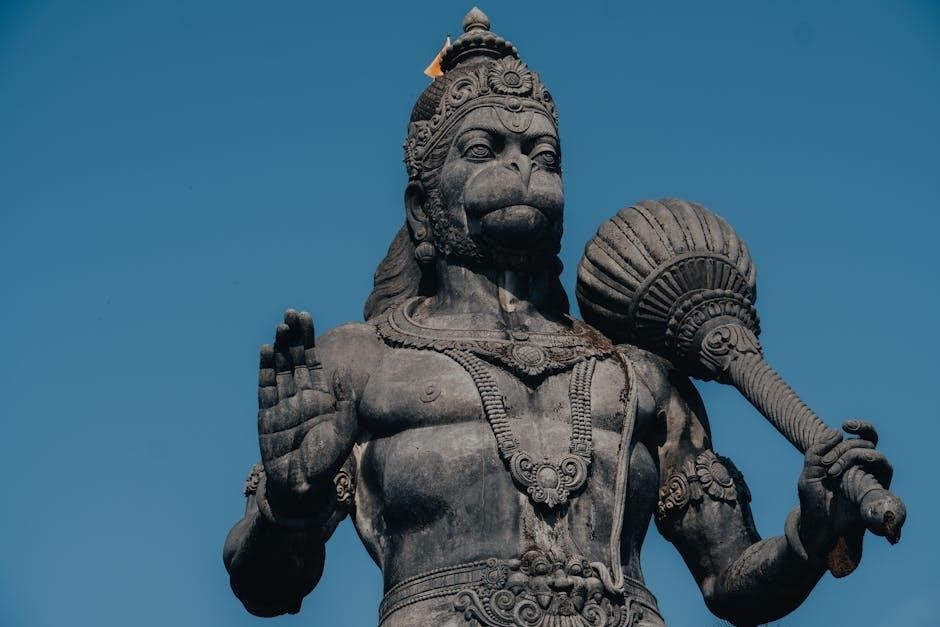
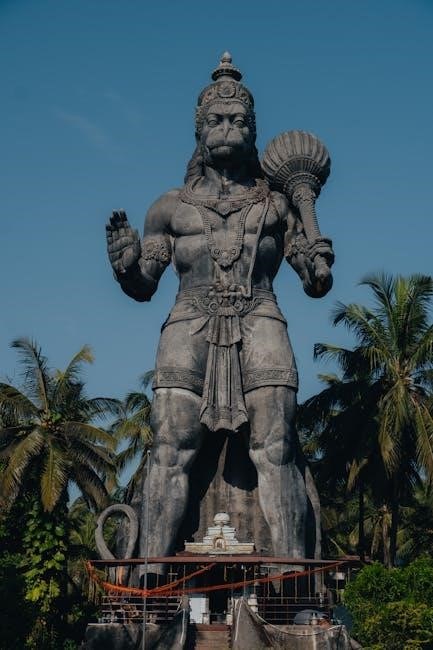
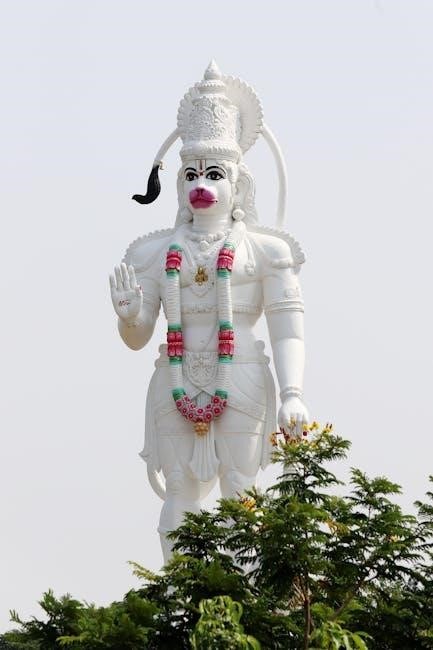
The Hanuman Chalisa is a devotional hymn dedicated to Lord Hanuman, a revered figure in Hindu mythology known for his unwavering devotion, strength, and courage. Composed in the Awadhi dialect by 16th-century poet Tulsidas, it consists of forty verses (chalisa meaning forty in Hindi) that beautifully narrate the qualities and deeds of Hanuman.
Its popularity transcends linguistic boundaries, with translations available in numerous languages, including Kannada. The Kannada version allows devotees in Karnataka to connect with the hymn in their native tongue, fostering a deeper spiritual experience. Accessing the Hanuman Chalisa in Kannada PDF format provides convenient portability and accessibility for daily recitation and study. This guide aims to provide a comprehensive overview for those seeking to explore this powerful devotional practice.
The Significance of the Hanuman Chalisa in Kannada
The Hanuman Chalisa holds profound significance for Kannada-speaking devotees, bridging spiritual practice with cultural identity. Recitation is believed to invoke Hanuman’s blessings, offering protection from negative energies, overcoming obstacles, and fostering inner strength. The Kannada translation ensures accessibility, allowing a deeper connection to the verses’ meaning and devotional power.
Within Karnataka, Hanuman is widely worshipped, and the Chalisa is frequently recited in temples and homes. The PDF format facilitates widespread distribution and personal practice. It’s considered a powerful tool for cultivating bhakti (devotion) and achieving spiritual growth. The hymn’s verses, when understood in Kannada, resonate deeply with local traditions and beliefs, enhancing its devotional impact.
Historical Background of the Hanuman Chalisa
The Hanuman Chalisa, traditionally attributed to 16th-century poet Tulsidas, originates from the broader narrative of the Ramcharitmanas. While the original is in Awadhi dialect, its devotional power quickly spread across India, prompting translations into various regional languages, including Kannada. The exact timeline of the Kannada translation remains somewhat obscure, likely emerging during periods of heightened bhakti movements within Karnataka.
The advent of PDF technology has significantly impacted its accessibility. Previously reliant on handwritten copies or printed books, the Chalisa is now easily disseminated digitally. This allows wider access for devotees, particularly those seeking a convenient and portable format for personal recitation and study. The PDF versions often include transliterations and explanations, aiding comprehension.
Understanding the Text
Delve into the Kannada translation, examining its fidelity to the original Sanskrit verses and unique linguistic nuances for accurate recitation and deeper comprehension of the Chalisa.
The Original Sanskrit and its Translation
The Hanuman Chalisa is originally composed in Awadhi, a dialect of Hindi, utilizing Sanskrit vocabulary and poetic structure. Its 40 verses (chaupais) praise Lord Hanuman’s strength, devotion, and virtues; Understanding the Sanskrit roots embedded within the Awadhi text is crucial for a nuanced interpretation.
Translations into various Indian languages, including Kannada, aim to convey the essence of the original. However, direct word-for-word translation often falls short due to linguistic and cultural differences. A skilled translator prioritizes capturing the devotional spirit and underlying meaning. The challenge lies in maintaining the poetic rhythm and meter while ensuring accurate conveyance of the Sanskrit concepts.
Accessing reliable translations alongside the original Sanskrit text (often available online) allows for comparative study and a richer understanding of the Chalisa’s profound message.
Kannada Translation: Key Differences and Nuances
The Kannada translation of the Hanuman Chalisa presents unique linguistic adaptations. Kannada, a Dravidian language, differs significantly from the Indo-Aryan Awadhi and Sanskrit, necessitating creative solutions to convey the original’s poetic essence.
Key differences arise in expressing complex Sanskrit concepts within Kannada’s grammatical structure. Translators often employ idiomatic expressions and cultural references familiar to Kannada-speaking devotees to enhance understanding and resonance. The meter and rhyme scheme, vital to the Chalisa’s musicality, are carefully preserved, sometimes requiring adjustments to phrasing.
Nuances in devotional terminology and imagery are also addressed. The translation aims to evoke the same level of reverence and emotional connection experienced by those familiar with the original Sanskrit verses, ensuring a spiritually fulfilling experience for Kannada readers.
Phonetic Transcription for Accurate Recitation
Accurate recitation of the Hanuman Chalisa in Kannada benefits greatly from phonetic transcription. Given the subtleties of Kannada pronunciation, especially for those unfamiliar with the language, a phonetic guide ensures correct articulation of each verse.
Transcriptions typically employ a Romanized script, representing Kannada sounds using familiar English letters. This aids learners in replicating the proper sounds and intonation, crucial for maintaining the Chalisa’s rhythmic flow and devotional impact.
PDF versions often include these transcriptions alongside the Kannada text, facilitating simultaneous reading and pronunciation practice. Paying attention to vowel sounds, consonant clusters, and stress patterns is vital for a meaningful and effective recitation experience.
Finding and Accessing the PDF
Locate the Hanuman Chalisa in Kannada PDF through online platforms like radiovd.com, or dedicated devotional websites, ensuring easy access for personal practice and study.
Reliable Sources for Hanuman Chalisa in Kannada PDF
Identifying trustworthy sources is crucial when downloading the Hanuman Chalisa in Kannada PDF. Radiovd.com presents itself as a direct resource, offering the text for convenient access. However, exercise caution with unfamiliar websites. Prioritize platforms associated with established religious organizations or reputable publishers specializing in devotional literature.
Look for sites with clear copyright information and secure download links (HTTPS). Avoid sources riddled with excessive advertisements or requests for personal data. Digital libraries and archives dedicated to Indian religious texts can also be valuable. Cross-reference the PDF content with known, verified translations to ensure accuracy and completeness. Remember, a reliable source guarantees an authentic and error-free rendition of this sacred text.
Free vs. Paid PDF Versions: What to Expect
When seeking a Hanuman Chalisa in Kannada PDF, you’ll encounter both free and paid options. Free versions, readily available on various websites, may lack the quality control of paid editions. Expect potential inconsistencies in translation, formatting errors, or even incomplete texts. They might also contain intrusive advertisements or be hosted on less secure platforms.
Paid PDFs, often offered by publishers or religious organizations, generally provide a more polished experience. These typically feature accurate translations, professional formatting, and may include supplementary materials like transliterations or explanatory notes. While requiring a financial investment, paid versions offer greater assurance of authenticity and readability, ensuring a more fulfilling devotional practice;
Checking PDF Authenticity and Completeness
Ensuring the authenticity and completeness of a Hanuman Chalisa in Kannada PDF is crucial for accurate recitation and spiritual benefit. Begin by verifying the source – reputable religious websites or established publishers are preferable. Compare the PDF’s content with known, trusted versions available elsewhere. Look for complete verses; missing chaupais or inconsistencies suggest an incomplete or altered text.
Pay attention to formatting and language accuracy. Poorly formatted PDFs or those with obvious translation errors should raise concerns. Cross-reference key verses with Kannada-speaking scholars or experienced practitioners if possible. A genuine PDF will reflect the traditional structure and meaning of the Hanuman Chalisa, fostering a deeper connection with the deity.
Benefits of Reciting the Hanuman Chalisa
Reciting the Hanuman Chalisa in Kannada fosters devotion, offers protection, and enhances mental well-being. It aids in overcoming obstacles and cultivating inner strength.
Spiritual Benefits: Devotion and Protection
The Hanuman Chalisa, when recited in Kannada, deeply cultivates bhakti, or devotion, towards Lord Hanuman. This powerful devotional hymn is believed to strengthen one’s connection to the divine, fostering a sense of peace and spiritual fulfillment.
Regular recitation acts as a protective shield, warding off negative energies and obstacles. Devotees believe Hanuman’s blessings provide courage, strength, and resilience in the face of life’s challenges. Accessing the text in Kannada PDF format allows for convenient and consistent practice.
The verses themselves are imbued with spiritual power, and the act of chanting them with sincerity is considered highly auspicious. It’s a pathway to experiencing Hanuman’s grace and unwavering loyalty.
Mental and Emotional Well-being
Reciting the Hanuman Chalisa in Kannada offers significant benefits for mental and emotional health. The rhythmic verses and devotional content promote a sense of calm and tranquility, reducing stress and anxiety.
Consistent practice can enhance focus and concentration, fostering a more positive mindset. The act of chanting serves as a meditative practice, grounding individuals in the present moment and alleviating mental clutter.
Having the Chalisa readily available in Kannada PDF format encourages daily practice. It’s a readily accessible tool for emotional regulation and cultivating inner peace, promoting overall psychological well-being and resilience.
Overcoming Obstacles and Challenges
The Hanuman Chalisa, particularly in its Kannada PDF format, is believed to be a powerful aid in overcoming life’s obstacles. Hanuman embodies strength, devotion, and unwavering courage – qualities invoked through recitation.
Facing difficulties? The Chalisa is seen as a source of divine support, instilling hope and resilience. It’s believed to remove negative energies and karmic blockages hindering progress.
Regularly accessing the Kannada PDF allows for consistent practice, strengthening faith and fostering a proactive approach to challenges. It’s a spiritual tool for navigating adversity, promoting perseverance, and ultimately achieving success with grace and determination.

Recitation Practices
Optimal recitation involves a quiet space, purity of mind, and devotion. Consistent practice with the Kannada PDF enhances benefits, with specific recitation numbers yielding varied results.
Proper Time and Place for Recitation
Selecting the right time and location significantly enhances the efficacy of reciting the Hanuman Chalisa in Kannada. Traditionally, mornings are considered auspicious, particularly before sunrise, allowing for a fresh and focused mind. Alternatively, evenings, especially around sunset, are also favored, offering a peaceful transition from the day’s activities.
The recitation space should be clean, quiet, and dedicated to spiritual practice. A home shrine or a peaceful corner of a room is ideal. Facing East or North is generally recommended, aligning with positive energy flows. Minimizing distractions is crucial; turn off electronic devices and inform family members to avoid interruptions.
Maintaining a calm and respectful atmosphere fosters a deeper connection with Hanuman. The use of the Kannada PDF facilitates accurate pronunciation and understanding, further enriching the devotional experience.
The Importance of Purity and Devotion
Reciting the Hanuman Chalisa in Kannada demands both physical and mental purity to maximize its spiritual benefits. Before commencing, it’s advisable to bathe or wash hands and feet, symbolizing purification. Clean attire is also recommended, fostering a respectful mindset.
Devotion, or bhakti, is paramount. Approach the recitation with a sincere heart, focusing on Hanuman’s virtues and unwavering devotion to Lord Rama. Utilizing a Kannada PDF ensures accurate pronunciation, deepening your connection to the verses.
Cultivate a state of mindfulness, letting go of worldly concerns and immersing yourself in the Chalisa’s power. A pure heart and unwavering faith amplify the positive vibrations, leading to profound spiritual growth and protection.
Number of Recitations and Associated Benefits
The Hanuman Chalisa, even recited once with devotion using a Kannada PDF, offers significant benefits. However, consistent practice amplifies these effects. Reciting it daily for 40 days is considered particularly auspicious, believed to bring immense positive changes.
Multiple recitations – 3, 5, 7, or 11 – are common, each increasing the potency of the prayer. Three recitations can alleviate immediate problems, while 21 recitations are undertaken for specific wishes.
Benefits include increased courage, strength, and protection from negative energies. Regular recitation fosters devotion, improves concentration, and helps overcome obstacles. Utilizing a Kannada PDF ensures correct pronunciation, maximizing the spiritual impact of each repetition.
Decoding the Verses
Analyzing key verses within the Kannada PDF Hanuman Chalisa reveals profound symbolism and imagery, illuminating Hanuman’s role and the underlying spiritual messages.
Analysis of Key Verses and Their Meanings
Delving into the Kannada Hanuman Chalisa PDF, specific verses hold immense significance. For instance, the opening lines invoking Hanuman’s virtues – strength, devotion, and wisdom – establish the core themes.
Each doha (couplet) narrates episodes from the Ramayana, emphasizing Hanuman’s unwavering loyalty to Rama. The verses describing his flight to Lanka, finding Sita, and battling demons are particularly powerful.
Understanding the Kannada translation nuances is crucial; certain words carry deeper cultural and spiritual weight. Analyzing these verses reveals Hanuman as the embodiment of selfless service, courage, and ultimate devotion, offering devotees a path to overcome obstacles and attain liberation.
The PDF format allows for focused study and contemplation of these profound meanings.
Symbolism and Imagery in the Hanuman Chalisa
The Hanuman Chalisa, even in its Kannada PDF form, is rich with symbolic imagery. Hanuman himself represents selfless service, unwavering devotion, and unparalleled strength – qualities devotees aspire to embody.
Imagery of mountains, oceans, and forests evokes the vastness of Hanuman’s journey and the challenges overcome. Descriptions of his physical form – his powerful build, radiant complexion – symbolize divine energy and spiritual prowess.
The use of metaphors, like comparing Hanuman to the sun or wind, elevates his status to a celestial being.
Within the Kannada translation, these symbols retain their potency, resonating deeply with Karnataka’s cultural and religious traditions, offering a visual and emotional pathway to spiritual understanding.
The Role of Hanuman in Hindu Mythology
Hanuman’s significance within Hindu mythology is immense, and understanding this context enriches the experience of reciting the Hanuman Chalisa, even in a Kannada PDF version.
As a central figure in the Ramayana, Hanuman embodies ideal devotion (bhakti) and selfless service to Lord Rama. He’s not merely a powerful warrior but a symbol of unwavering loyalty and humility.
His lineage – son of Anjana and Kesari, blessed by Vayu – establishes his divine origins and extraordinary abilities. Hanuman’s role extends beyond assisting Rama; he represents the potential for devotion within every being.
The Kannada cultural landscape deeply reveres Hanuman, and the Chalisa serves as a potent medium to connect with his divine energy and embody his virtues.
Hanuman Chalisa and Kannada Culture
The Hanuman Chalisa holds a special place in Karnataka, deeply woven into regional traditions and devotional practices, readily available as a Kannada PDF.
Its recitation reflects a strong cultural connection to Hanuman, influencing temple rituals and personal spiritual journeys.
The Chalisa’s Popularity in Karnataka
The Hanuman Chalisa enjoys widespread reverence throughout Karnataka, transcending social boundaries and becoming a staple in many households. Its accessibility, particularly through readily available Kannada PDF versions, has significantly contributed to its enduring popularity. Devotees frequently recite it seeking blessings for strength, courage, and protection from adversity.
Numerous Hanuman temples across the state actively promote the Chalisa’s recitation, often incorporating it into daily prayers and special ceremonies. The ease of obtaining a Kannada PDF allows individuals to engage in personal devotion at their convenience. This digital accessibility has broadened its reach, especially among younger generations. The Chalisa’s verses, when understood in Kannada, resonate deeply with the local cultural and linguistic context, fostering a strong sense of connection to Lord Hanuman.
Regional Variations in Recitation and Interpretation
While the core verses of the Hanuman Chalisa remain consistent, subtle variations exist in its recitation and interpretation across Karnataka’s diverse regions. Pronunciation of certain Kannada words may differ based on local dialects, influencing the melodic flow during chanting.
Interpretations of specific verses can also vary, reflecting differing philosophical perspectives within the Hindu tradition. Some communities emphasize the devotional aspect, while others focus on the symbolic meaning of Hanuman’s attributes. Access to Kannada PDF versions allows individuals to compare translations and explore these nuances. These regional adaptations enrich the Chalisa’s cultural significance, demonstrating its adaptability and enduring relevance within Karnataka’s spiritual landscape.
Hanuman Temples in Karnataka and the Chalisa
Karnataka boasts numerous Hanuman temples where the Hanuman Chalisa holds a prominent place in daily worship and special occasions. Many temples feature dedicated chanting sessions, often utilizing Kannada PDF versions of the text for communal recitation.
The Chalisa is frequently recited during Hanuman Jayanti celebrations, and devotees often offer it as a prayer for strength, courage, and protection. Temples may also distribute printed copies or provide access to digital PDFs. Visiting these sacred sites offers a deeper connection to the Chalisa’s spiritual power and cultural significance within Karnataka. The availability of Kannada PDFs enhances accessibility for local devotees.
Additional Resources
Explore online platforms and mobile apps for learning and reciting the Hanuman Chalisa in Kannada.
Radiovd.com provides accessible PDF versions, complementing related prayers and deepening your devotional practice.
Online Resources for Learning and Recitation
Numerous websites offer the Hanuman Chalisa in Kannada, facilitating both learning and recitation. Platforms like YouTube host audio and video recitations, aiding pronunciation and understanding. Websites dedicated to Hindu scriptures often provide downloadable PDFs, including versions in Kannada, such as those found on radiovd.com.
Interactive learning is available through online tutorials that break down the verses and explain their meanings. Several blogs and forums dedicated to devotional practices discuss the Chalisa, offering interpretations and insights. Digital libraries and archives may also contain scanned copies of traditional texts. Remember to verify the authenticity of sources before relying on them for accurate information.
These resources cater to diverse learning styles, from auditory learners benefiting from audio recitations to visual learners utilizing video demonstrations and PDF texts.
Related Texts and Prayers
Alongside the Hanuman Chalisa, several other texts deepen devotion to Lord Hanuman. The Hanuman Ashtaka, a collection of eight verses, praises Hanuman’s virtues. The Ramcharitmanas, a complete epic narrating Rama’s life, prominently features Hanuman’s unwavering loyalty and strength. Sundar Kand, a section within the Ramcharitmanas, specifically details Hanuman’s journey to Lanka.
Complementary prayers include the Hanuman Kavacha, offering protection and blessings. Mantras dedicated to Hanuman, such as the Hanumant Gayatri Mantra, are frequently recited. In Karnataka, regional variations of devotional songs and hymns dedicated to Hanuman are common. Exploring these related texts enriches one’s understanding of Hanuman’s significance within Hindu tradition.
These prayers and texts often accompany the Chalisa recitation, creating a holistic devotional experience.
Hanuman Chalisa Apps for Mobile Devices
Numerous mobile applications offer convenient access to the Hanuman Chalisa in Kannada, alongside audio recitations and translations. These apps often include features like offline access, customizable font sizes, and the ability to bookmark favorite verses. Popular options available on both Android and iOS platforms provide a user-friendly experience for daily recitation.
Many apps also incorporate related content, such as Hanuman mantras, aarti, and devotional songs. Some offer synchronized scrolling of the text with the audio, aiding in accurate pronunciation and understanding. Searching app stores for “Hanuman Chalisa Kannada” will reveal a variety of choices, allowing users to select an app that best suits their preferences.
These apps are a modern way to engage with this sacred text;