NFPA 10: A Comprehensive Guide to Portable Fire Extinguishers
NFPA 10, from the National Fire Protection Association, is freely available as a PDF download, detailing portable extinguisher requirements for selection, installation, and maintenance.
What is NFPA 10?
NFPA 10, published by the National Fire Protection Association (NFPA), is the widely recognized standard governing portable fire extinguishers. This comprehensive document establishes minimum requirements for the selection, installation, inspection, maintenance, and testing of these crucial life-safety devices.
Available as a free PDF download from various sources, including the NFPA website and authorized distributors, NFPA 10 ensures consistent safety practices. It’s designed to protect people and property by providing guidelines for effective fire suppression. The standard details everything from extinguisher types and placement to recharge procedures and record-keeping.
Notably, the 2010 edition has been incorporated into federal law under 46 CFR 25.01-3, impacting maritime applications. Regularly updated, with recent editions in 2018 and 2022, NFPA 10 remains a vital resource for fire safety professionals.
The Importance of NFPA 10 Compliance
NFPA 10 compliance is paramount for ensuring fire safety and minimizing potential damage. Adhering to the National Fire Protection Association’s standards, readily available as a free PDF download, demonstrates a commitment to protecting lives and property.
Compliance isn’t merely about avoiding fines; it’s about establishing a robust fire protection system. Proper extinguisher selection, placement, and maintenance – as outlined in NFPA 10 – significantly increase the chances of successful fire suppression in its early stages.
Furthermore, for maritime applications, adherence to NFPA 10 is mandated by 46 CFR 25.01-3. Consistent inspections and documented maintenance, guided by the standard, are crucial for maintaining operational readiness and legal compliance, safeguarding both personnel and assets.
Understanding the Scope of NFPA 10
NFPA 10’s scope, detailed in the freely downloadable PDF from the National Fire Protection Association, covers all portable fire extinguishers and related provisions.
Portable Fire Extinguisher Selection
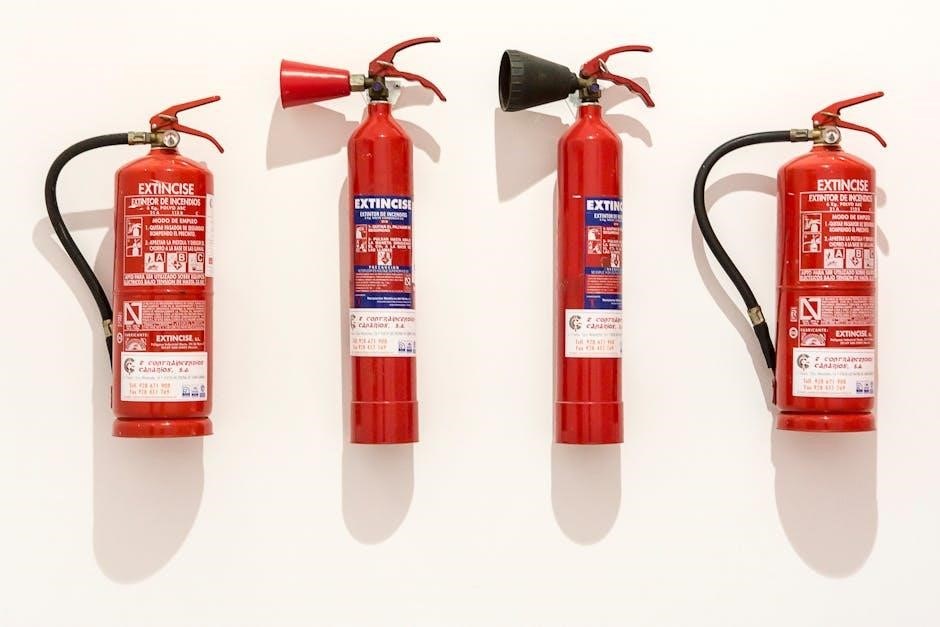
NFPA 10, accessible as a free PDF download from the National Fire Protection Association, meticulously guides the selection process for portable fire extinguishers. This involves a thorough hazard analysis to determine the potential fire types – Class A (ordinary combustibles), Class B (flammable liquids), Class C (energized electrical equipment), Class D (combustible metals), and Class K (cooking oils and fats).
The standard dictates that extinguishers must be appropriate for the identified hazards, considering factors like extinguishing agent, discharge range, and operating instructions. Proper selection ensures effective fire suppression and minimizes risks to personnel. The NFPA 10 document provides detailed criteria for matching extinguisher types to specific fire hazards, promoting a safer environment. Careful consideration of these guidelines is paramount for compliance and fire safety.
Classification of Fires & Extinguisher Types
The NFPA 10 standard, freely downloadable as a PDF from the National Fire Protection Association, clearly defines fire classifications: Class A (ordinary combustibles), Class B (flammable liquids), Class C (electrical fires), Class D (combustible metals), and Class K (cooking media). Corresponding extinguisher types are then specified.
For Class A fires, water or multi-purpose dry chemical extinguishers are suitable. Class B fires require foam, carbon dioxide, or dry chemical extinguishers. Class C fires necessitate non-conductive agents like carbon dioxide or dry chemical. Class D fires demand specialized dry powder extinguishers; Class K fires require wet chemical extinguishers. NFPA 10 emphasizes matching the extinguisher agent to the fire class for effective suppression, ensuring safety and minimizing damage. Understanding these classifications is crucial for proper fire protection.

Installation Requirements According to NFPA 10
NFPA 10, available as a free PDF, dictates proper extinguisher placement, ensuring quick access and visibility for effective fire response and safety.
Proper Placement of Fire Extinguishers
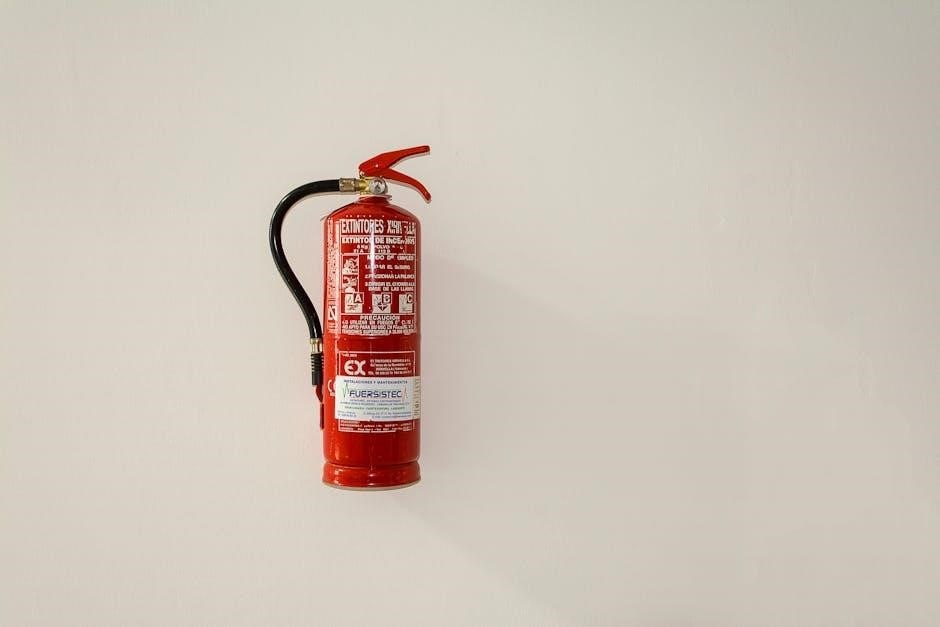
NFPA 10, accessible as a free PDF download from the National Fire Protection Association, emphasizes strategic extinguisher placement. This involves locating extinguishers along normal paths of travel and near potential fire hazards, ensuring rapid access during emergencies.
The standard details that extinguishers shouldn’t be obstructed, concealed, or require special knowledge for operation. Visibility is key; clear signage is crucial. Consideration must be given to the travel distance to extinguishers, which varies based on hazard classification.
Furthermore, NFPA 10 specifies placement relative to specific hazards, like flammable liquid storage or electrical equipment. Proper placement significantly impacts response time and the effectiveness of fire suppression efforts, ultimately safeguarding lives and property.
Mounting Height and Accessibility
According to NFPA 10, readily available as a free PDF from the National Fire Protection Association, mounting height is critical for extinguisher accessibility. The standard dictates the top of the extinguisher should not exceed 5 feet from the floor for extinguishers weighing 40 pounds or less.
For heavier extinguishers, the maximum height is 3.5 feet. This ensures all personnel can easily reach and operate the equipment. Clear access is paramount; extinguishers must not be blocked by furniture or other obstructions.
NFPA 10 also addresses accessibility for individuals with disabilities, emphasizing unobstructed pathways and appropriate signage. Proper mounting and accessibility contribute significantly to effective fire response and overall safety.
Inspection, Maintenance, and Testing
NFPA 10, accessible as a free PDF, outlines inspection, maintenance, and testing schedules for portable fire extinguishers to ensure operational readiness.
Frequency of Inspections
NFPA 10, readily available as a free PDF download from the National Fire Protection Association, dictates inspection frequency for portable fire extinguishers. Monthly visual inspections are crucial, confirming extinguishers are in their designated locations, unobstructed, and show no visible damage or tampering.
These quick checks verify the operating instructions are legible and the pressure gauge indicates proper charge. NFPA 10 doesn’t prescribe specific checklists, but emphasizes a thorough visual assessment. More detailed annual maintenance, as outlined in the freely accessible document, is also required, performed by qualified personnel. Consistent adherence to these inspection schedules, detailed within the PDF, is vital for fire safety preparedness.
Annual Maintenance Requirements
The NFPA 10 standard, obtainable as a free PDF from the National Fire Protection Association, mandates annual maintenance of portable fire extinguishers by a qualified technician. This goes beyond visual inspections, involving a thorough examination of extinguisher components.
Technicians check for corrosion, mechanical damage, and proper operation of the nozzle, hose, and handle. They also verify the weight and pressure are within acceptable limits. The free PDF details procedures for replacing damaged parts and recharging extinguishers. Documentation of this annual maintenance, including date and technician’s credentials, is essential for compliance. Proper annual maintenance, as outlined in NFPA 10, ensures extinguishers function reliably in an emergency.
Hydrostatic Testing Procedures
According to the NFPA 10 standard – freely downloadable as a PDF from the National Fire Protection Association – hydrostatic testing verifies the extinguisher cylinder’s integrity. This involves pressurizing the cylinder with a non-corrosive liquid, typically water, to a specified test pressure.
The PDF details specific testing intervals based on extinguisher type. Technicians carefully inspect for leaks, bulges, or any signs of weakness. Successful completion requires the cylinder to withstand the pressure without failure. Failed cylinders must be removed from service. Detailed records of hydrostatic testing, including date, test pressure, and technician’s signature, are crucial for demonstrating compliance with NFPA 10. This rigorous testing ensures continued safety and reliability.
NFPA 10 and Federal Regulations
NFPA 10, available as a free PDF, is incorporated into federal law, specifically 46 CFR 25.01-3 and related sections, for maritime applications.
Integration with 46 CFR 25.01-3
The NFPA 10 Standard for Portable Fire Extinguishers holds a significant position within the United States Code of Federal Regulations (CFR), specifically Title 46, pertaining to shipping. Section 46 CFR 25.01-3 and subsequent related sections formally incorporate NFPA 10 by reference, establishing it as the accepted standard for fire safety equipment on vessels.
This integration means that all vessels subject to Coast Guard regulations must adhere to the guidelines outlined in NFPA 10 regarding the selection, installation, inspection, maintenance, and testing of portable fire extinguishers. Accessing the standard as a free PDF download from the NFPA website or authorized channels ensures compliance with these federal mandates. Utilizing the current edition is crucial, as regulations evolve.
Compliance with 46 CFR 25.01-3, through adherence to NFPA 10, is vital for safe maritime operations and avoiding potential penalties during Coast Guard inspections.
Compliance for Maritime Applications
NFPA 10’s integration with 46 CFR 25.01-3 dictates stringent fire safety protocols for all regulated vessels. Maritime compliance necessitates careful attention to extinguisher type, placement, and quantity, as defined within the freely downloadable NFPA 10 PDF. Regular inspections and documented maintenance, adhering to NFPA schedules, are paramount for operational safety and regulatory adherence.
Vessel operators must ensure crew members receive adequate training on extinguisher operation and emergency procedures. Utilizing the latest NFPA 10 edition, available for free download, guarantees alignment with current standards. Failure to comply can result in significant fines and operational restrictions during Coast Guard inspections.
Proper record-keeping of inspections, maintenance, and training is essential for demonstrating compliance with both NFPA 10 and 46 CFR regulations.
Accessing NFPA 10 Documents
NFPA offers free online access to codes and standards, including the NFPA 10 handbook and resources, with PDF downloads readily available.
Free PDF Downloads & Online Resources
NFPA demonstrates a commitment to public safety by providing complimentary online access to its codes and standards. This includes the highly sought-after NFPA 10, Standard for Portable Fire Extinguishers. Users can readily download the document as a PDF file directly from the NFPA website, eliminating cost barriers to crucial fire safety information.
However, be aware that some downloads may require registration. Additionally, while free access is available, NFPA also offers authorized distribution channels for those preferring physical copies or more formalized access. The NFPA website serves as a central hub, linking to various resources, including handbooks and engineering resources related to fire protection. Remember to check for the latest edition and any associated errata or tentative interim amendments.
Authorized Distribution Channels
While NFPA 10 is available as a free PDF download, numerous authorized distributors offer convenient purchasing options for physical copies and enhanced access. These channels ensure you receive a legitimate, up-to-date version of the standard, crucial for compliance and accurate implementation of fire safety protocols.
NFPA partners with various vendors, including safety equipment suppliers and code enforcement organizations, to distribute its documents. Purchasing through these channels often includes additional benefits, such as customer support and access to supplementary materials. Be cautious of unauthorized sources, as they may offer outdated or inaccurate information. Always verify the distributor’s credentials before making a purchase to guarantee authenticity and adherence to NFPA standards.
Key Changes in Recent Editions (2018 & 2022)
NFPA 10 editions (2018 & 2022) feature updates to extinguisher classification and revised maintenance schedules, available within the free PDF download.
Updates to Extinguisher Classification
Recent NFPA 10 editions, accessible via PDF download from the National Fire Protection Association, demonstrate significant changes in extinguisher classification. These updates refine how fires are categorized – Class A (ordinary combustibles), Class B (flammable liquids), Class C (energized electrical equipment), Class D (combustible metals), and Class K (cooking oils and fats).
The revisions aim to improve the selection process, ensuring the correct extinguisher type is readily available for specific fire hazards. This includes clarifying the suitability of certain agents for multi-purpose applications and addressing emerging fire risks. The NFPA continually updates classifications based on research and real-world incident data, enhancing fire safety protocols. Understanding these changes, detailed in the freely available document, is crucial for compliance and effective fire protection.
Revised Maintenance Schedules
The NFPA 10 standard, obtainable as a free PDF from the National Fire Protection Association, features updated maintenance schedules for portable fire extinguishers. These revisions detail more precise intervals for inspections, annual maintenance, and hydrostatic testing. The changes reflect a risk-based approach, considering factors like extinguisher type, usage frequency, and environmental conditions.
Specifically, the updated schedules clarify the scope of each maintenance activity, ensuring thoroughness and consistency. This includes detailed guidance on visual inspections, pressure checks, and component examinations. Adhering to these revised schedules, outlined in the downloadable document, is vital for maintaining extinguisher reliability and ensuring optimal performance during a fire emergency. Proper maintenance extends extinguisher lifespan and safeguards lives.
Common Challenges in NFPA 10 Implementation
NFPA 10 implementation, detailed in the free PDF, faces hurdles like ensuring comprehensive staff training and diligently maintaining accurate, up-to-date extinguisher records.
Ensuring Proper Training
Effective training is paramount for successful NFPA 10 implementation, as outlined in the freely available PDF document from the National Fire Protection Association. Personnel must be thoroughly educated on extinguisher selection, proper usage techniques for each class of fire, and the critical importance of regular inspection and maintenance procedures.
Training should cover hands-on practice, allowing individuals to confidently operate extinguishers. Furthermore, understanding the NFPA 10 standard’s requirements for placement, accessibility, and hydrostatic testing is crucial. Regular refresher courses are essential to reinforce knowledge and address any updates to the standard. A well-trained team significantly reduces risks and ensures a swift, effective response during a fire emergency, ultimately safeguarding lives and property.
Maintaining Accurate Records
Detailed record-keeping is a non-negotiable aspect of NFPA 10 compliance, as detailed within the freely downloadable PDF from the National Fire Protection Association. These records must meticulously document all inspection, maintenance, and testing activities performed on each portable fire extinguisher. This includes dates, findings, corrective actions taken, and the identity of the personnel involved.
Accurate records facilitate tracking extinguisher lifecycles, ensuring timely hydrostatic testing, and demonstrating adherence to regulatory requirements. They are also invaluable during fire investigations and insurance claims. Digital record-keeping systems are highly recommended for ease of access and data analysis. Consistent and thorough documentation is vital for maintaining a safe environment and demonstrating responsible fire protection practices.
Resources for Further Learning
NFPA offers extensive resources, including the free PDF of NFPA 10, handbooks, and fire protection engineering guidance for deeper understanding.
NFPA Website and Handbooks
The NFPA website serves as a central hub for accessing NFPA 10 and related resources. Users can find the standard available for free PDF download, alongside a wealth of supplementary materials designed to enhance comprehension and implementation. These materials include detailed explanations of the standard’s requirements, practical guidance on extinguisher selection and placement, and insights into inspection and maintenance procedures.
Furthermore, NFPA publishes comprehensive handbooks that delve deeper into the intricacies of fire protection. These handbooks offer detailed commentary on NFPA 10, providing clarifying explanations and real-world examples. They are invaluable tools for fire safety professionals, engineers, and anyone responsible for ensuring compliance with the standard. Accessing these resources empowers individuals to effectively manage fire risks and safeguard lives and property.
Fire Protection Engineering Resources
Numerous fire protection engineering resources complement the NFPA 10 standard, offering in-depth analysis and practical application guidance. These resources often include specialized software for fire modeling, allowing engineers to simulate fire scenarios and optimize extinguisher placement. Professional organizations, like the Society of Fire Protection Engineers (SFPE), provide training courses and certifications focused on NFPA 10 compliance and fire safety design.
Accessing these resources is crucial for complex installations or high-hazard environments. They facilitate a thorough understanding of fire dynamics and enable engineers to develop tailored fire protection strategies. While the NFPA offers a free PDF of NFPA 10, these supplementary materials provide the advanced knowledge needed for effective implementation and ongoing maintenance of portable fire extinguisher systems.