VIVI eBike Model Overview
MT20 and MT20-P Series Features
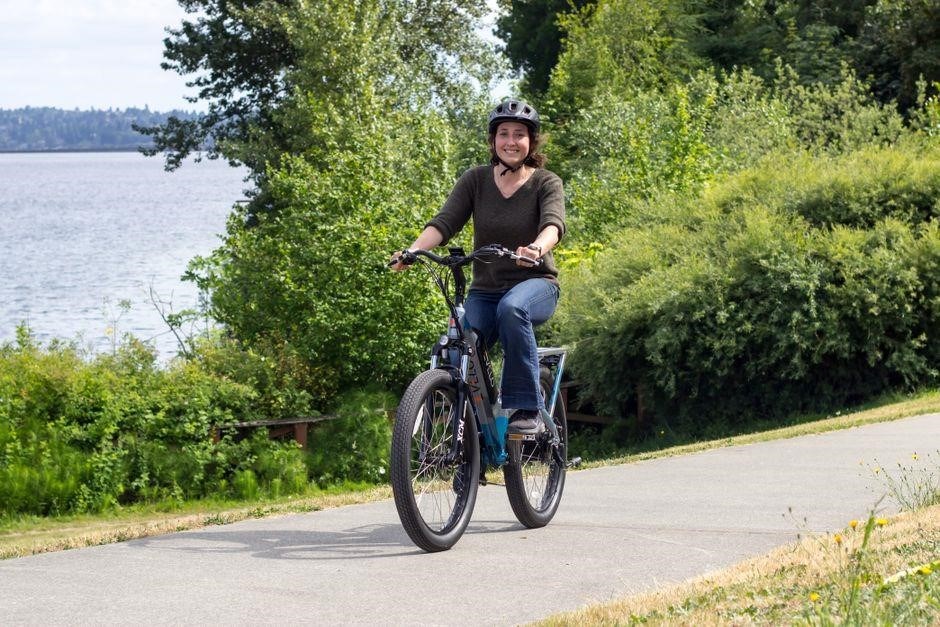
The MT20 and MT20‑P models combine lightweight geometry with robust power delivery, making them ideal for city commutes and light touring. Both variants feature a 250 W mid‑hub motor that delivers smooth acceleration up to 25 km/h, while the MT20‑P adds a pedal‑assist sensor for a more natural riding feel.
Key specifications include a 48 V 10 Ah removable lithium‑ion battery, providing an estimated range of 60–80 km on a single charge under moderate use. The battery packs are designed for quick removal and reinstallation, allowing riders to swap or charge on the go.
Integrated front and rear LED lighting is controlled via a single button on the handlebar. A long press of two seconds turns the headlight on, and another long press turns it off, ensuring intuitive operation without the need for separate switches.
The digital meter, mounted on the stem, displays speed, distance, battery level, and motor mode. It supports multiple riding modes—Eco, Normal, and Sport—each adjusting motor assistance and throttle response.
Structural features include a steel frame with a carbon‑fiber fork, and 28‑inch alloy wheels. The MT20‑P adds a lightweight aluminum frame, while both models share and a 7‑speed Shimano drivetrain and hydraulic disc brakes for reliable stopping power.
Conveniences such as a rear rack, fenders, and a quick‑release seat post enhance everyday usability. The MT20 series also offers an optional USB charging port for mobile devices, making it a practical choice for urban riders who need connectivity on the move.
FM201, FM201-P, and C26 Specifications
FM201 and FM201-P are city‑focused e‑bikes that share a 250 W mid‑hub motor, delivering up to 25 km/h. The FM201-P adds a pedal‑assist sensor, offering throttle‑only or pedal‑assist modes. Both use a removable 48 V 10 Ah lithium‑ion battery, giving 60–80 km range on a single charge.
C26 targets off‑road use, featuring a 350 W mid‑hub motor and a larger 48 V 12 Ah battery that extends range to 80–100 km on mixed terrain. Its reinforced steel frame, 29‑inch alloy wheels, and dual‑chain drivetrain provide durability for uneven trails. It also features a removable battery for easy charging.
All models share a digital meter mounted on the stem, displaying speed, distance, battery level, and motor mode. A single handlebar button toggles the LED headlight on or off with a two‑second long press. The headlight brightness is adjustable for different lighting conditions. The display updates in real time for precise monitoring.
Key dimensions: FM201/PM wheelbase 1,020 mm, seat height 1,200 mm; C26 wheelbase 1,080 mm, seat height 1,250 mm. Frame materials: FM201/PM aluminum alloy, C26 steel. Weight: FM201 12.5 kg, FM201-P 12.8 kg, C26 14.2 kg. Drivetrain: 7‑speed Shimano; brakes: hydraulic disc on all models. The bikes also support a USB charging port for devices.
Charging uses VIVI’s proprietary charger, with a standard 4–5 hour full charge. The removable battery can be swapped or charged separately, allowing continuous riding while the battery charges. All components are designed for durability and low maintenance. The bikes feature a quick‑release handlebar clamp. Battery capacity is shown on meter.!!!
Safety Instructions
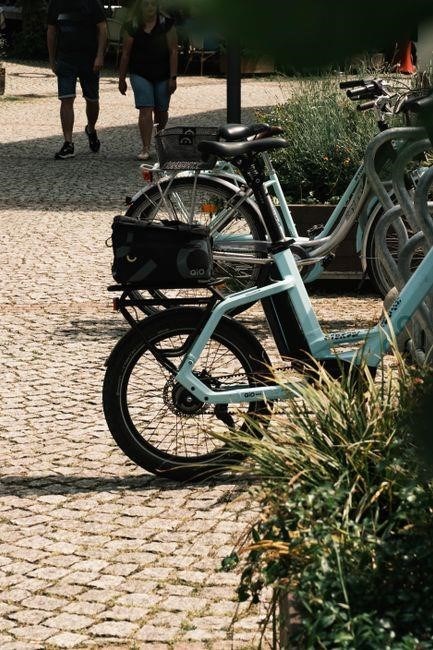
Before riding, check tire pressure, brakes, and battery. Ensure headlight and signal lights work. Wear a helmet, reflective gear, and keep hands on the handlebars. Follow traffic rules, stay alert, and avoid riding under influence or with damaged parts. keep the battery charged and inspect cables for wear. Now
Pre-ride Safety Checklist
Before each ride, perform a quick safety inspection to ensure your VIVI eBike is ready and safe. Follow this checklist:
- Check tire pressure: inflate to the manufacturer’s recommended PSI.
- Inspect brake pads and levers for wear; replace if necessary.
- Test front and rear lights, horn, and turn signals; replace bulbs if dim.
- Verify battery connection and charge level; ensure no loose cables.
- Confirm the headlight control button works; long‑press to toggle on/off.
- Inspect the chain, gears, and derailleurs for smooth shifting and tension.
- Check the seat and handlebars for secure mounting and proper adjustment.
- Wear a certified helmet and reflective clothing; attach a rear reflector.
- Ensure the lock is functional and the lock cable is not frayed.
- Inspect the frame for cracks or damage; report any issues immediately.
- Confirm the digital meter displays correct speed, battery, and distance.
- Check the emergency brake or quick‑release lever for proper operation.
- Verify that the tire sidewalls are free of cuts or punctures.
- Test the horn or bell to ensure it is audible.
- Confirm that the bike’s weight is within the manufacturer’s limits.
Completing this checklist reduces risk, ensures compliance with local regulations, and promotes a smoother, safer riding experience.
Lorem ipsum dolor sit amet, consectetur adipiscing elit. Sed do eiusmod tempor incididunt ut labore et dolore magna aliqua. Ut enim ad minim veniam, quis nostrud exercitation ullamco laboris nisi ut aliquip ex ea commodo consequat. Duis aute irure dolor in reprehenderit in voluptate velit esse cillum dolore eu fugiat nulla pariatur. Placeholder text.Ok.
Electrical and Headlight Safety Precautions
Before operating the VIVI eBike, ensure that all electrical components are secure and that the headlight system is functioning correctly. The headlight is activated by a long press of the designated button for two seconds; a second long press will turn it off. Always verify that the headlight illuminates adequately before riding in low‑visibility conditions. The battery is removable for convenience; however, never disconnect it while the bike is powered on or while the motor is engaged. When removing or reinstalling the battery, follow the manufacturer’s instructions to avoid short circuits.
Inspect all wiring for fraying or damage before each ride. If any cable appears compromised, replace it immediately. The headlight should be positioned to avoid glare to oncoming traffic. Adjust the headlight angle so that it illuminates the road ahead without blinding other road users. If the headlight flickers or fails to turn on, check the battery connection and the headlight switch for proper operation. If problems persist, contact VIVI support for assistance.

Remember that the headlight’s brightness is regulated by the bike’s control unit; tampering with the unit can void the warranty and compromise safety. Follow all safety instructions in the user manual, and wear appropriate protective gear when handling electrical components. Proper maintenance of the electrical system ensures reliable performance and extends the lifespan of the eBike.
Battery and Charging Guide
The VIVI eBike battery is removable for convenience. Remove it only when the bike is powered off. Charge using the supplied special charger; standard charging time varies with battery capacity. Do not use third‑party chargers. Keep the charger in a dry place and disconnect it after the battery is fully charged!!!
Battery Removal and Reinstallation
To safely remove the VIVI eBike battery, first ensure the bike is switched off and the battery compartment is accessible. Locate the release latch on the rear frame; gently pull it upward to disengage the battery lock. The battery will slide out smoothly; hold it by the edges to avoid damaging the contacts. When reinstalling, align the battery terminals with the connector pins, then slide the battery back into place until it clicks firmly. Re‑engage the latch to secure the battery. Always check that the battery is fully seated before powering the bike on. For models MT20, MT20‑P, FM201, FM201‑P, and C26, the removal process is identical, though the latch may be positioned slightly differently. If the battery does not release, apply a small amount of lubricant to the latch mechanism and try again. Never force the battery; excessive force can damage the connector. After reinstallation, verify the battery indicator lights on the digital meter are active. If the lights remain off, double‑check the battery alignment and ensure the latch is fully locked. Proper removal and reinstallation extend battery life and prevent electrical faults. Remember to store the battery in a cool, dry place when not in use. Avoid exposing it to extreme temperatures or moisture. By following these steps, you maintain safe operation and prolong the overall lifespan of your VIVI eBike system.
The battery pack’s casing shields it from impact and moisture. When removing, support the weight. If transporting, secure it in rack or a bag. Charge within 0°C‑45°C. The charger’s LED turns green when full; amber indicates partial charge. Do not disconnect until the LED turns off. If a red warning appears, inspect for overheating or short circuit and consult service
Standard Charging Time and Charger Usage
Charging a VIVI eBike requires the dedicated charger supplied with the kit. The battery is removed before connecting to the charger, ensuring the terminals are clean and free of debris. Insert the battery into the charger’s port, aligning the pins with the connector. The charger’s LED will illuminate green when the battery is fully seated and ready to accept power. The standard charging cycle for a fully depleted battery is approximately 4–5 hours at 20 W output. If the battery is only partially discharged, the charging time shortens proportionally, typically ranging from 1.5 to 3 hours. During charging, the charger automatically regulates voltage and current to protect the cell chemistry; the LED will flicker amber during the active charging phase and settle to steady green once the battery reaches full capacity. Do not leave the charger unattended for extended periods; once the LED turns solid green, disconnect the battery to prevent over‑charging. The charger should be placed on a flat, non‑conductive surface, away from flammable materials and moisture. Avoid using a damaged or frayed power cord, and ensure the outlet is grounded. If the charger’s LED fails to illuminate or flickers red, inspect the power source and the charger’s internal fuse; a blown fuse will require replacement by a qualified technician. For optimal longevity, store the charger in a dry environment and avoid exposing it to extreme temperatures. Adhering to these guidelines ensures safe, efficient charging and preserves battery health over the bike’s lifespan. Keep charger dry and safe.
Meter Operation and Controls
The meter displays speed, distance, battery level, and pedal assist mode; Press the button to cycle through modes: OFF, ECO, SPORT. The LED flashes green during normal operation, amber when battery low, and red for errors. Reset by holding button for 3 s. The display auto‑lights when the bike is in motion.
Basic Meter Functions and Indicators
Each VIVI eBike meter is the central hub for rider information, offering real‑time data on speed, distance traveled, battery status, and pedal‑assist level. The display is a clear, back‑lit LCD that illuminates automatically when motion is detected, ensuring visibility in low light. To switch between assist modes, press the single button on the left side of the meter. The cycle order is OFF, ECO, and SPORT, with the current mode highlighted in the top left corner. Battery level is shown as a series of five bars; a full bar indicates 100 % charge, while a single bar signals a critical low level. The LED indicator below the display provides a quick visual cue: green for normal operation, amber when the battery falls below 20 %, and red if the system detects an error such as a short or a sensor fault. If a fault code appears, reset the meter by holding the button for three seconds, which clears the error and restores normal function. The meter also logs cumulative distance and average speed, accessible via the menu button, allowing riders to track performance over time. All these functions are designed to be intuitive, enabling the rider to focus on the ride rather than the interface.
Additionally, the meter’s firmware supports over‑the‑air updates via a USB‑C port, allowing VIVI to push performance tweaks and new assist profiles without a service visit. Users can also connect the bike to the official VIVI mobile app, where trip logs, battery health, and firmware status are displayed in real time, enhancing maintenance planning and ride enjoyment. !!??
Advanced Meter Settings and Troubleshooting
Advanced meter settings on VIVI eBikes allow precise control over assist levels, speed limits, and sensor calibration. To enter the hidden menu, press the meter button three times within two seconds; a Settings icon appears. From there, adjust the sensitivity slider from 1 (conservative) to 5 (full power). The speed limiter caps the top speed at 20, 25, or 30 km/h to meet local regulations. Calibrate the cadence sensor by pedaling at 60 rpm for 30 seconds; the meter auto‑detects and stores the cadence. If the sensor fails, a “Sensor Error” code appears; reset by holding the button for five seconds. The meter also shows Battery Health: a green bar indicates healthy cells, amber warns of reduced capacity, and red signals replacement needed. For firmware updates, connect the bike to a PC via the USB‑C port, launch the VIVI Firmware Tool, and follow on‑screen prompts. The tool downloads the latest firmware, verifies the checksum, and flashes the controller. If an update fails, a “Flash Error” appears and the meter reverts to the previous version. Regular firmware updates improve motor efficiency, battery management, and unlock ride‑mode presets. Troubleshooting: if the meter fails to light, check battery voltage; a reading below 30 V disables the display. If “Low Battery” repeats, fully recharge and wait ten minutes before powering on. Persistent errors can be resolved by a factory reset: hold the button for ten seconds; this restores defaults but keeps ride data. Mastering these settings lets riders tailor the eBike to preferences, maintain reliable operation, and extend motor and battery life. Enjoy a smoother, safer ride with confidence.!!
Installation, Operation, and Maintenance
Assembly starts with securing the frame, mounting the removable battery, and attaching the headlight via the long‑press switch. Operation follows the on‑screen meter guide; use pedal‑assist modes and check speed limits. Maintenance involves monthly tire checks, chain lubrication, and firmware updates through the USB‑C port.Check battery.
Assembly Checklist for New Users
Follow this concise step‑by‑step guide to assemble your VIVI eBike safely and efficiently. Each item ensures the bike is ready for a smooth first ride.
- Frame Inspection: Confirm all bolts, tubes, and mounting points are intact and free of damage.
- Headlight Setup: Attach the integrated headlight to the front fork. Use the long‑press (2 s) toggle to activate; press again to deactivate;
- Brake Check: Verify front and rear brake levers, cables, and pads. Adjust tension so the lever feels firm and the calipers clamp evenly.
- Motor Activation: Turn on the power switch; the motor should engage when you pedal or use the assist button.
- Electrical Connections: Ensure all wiring harnesses are routed neatly and secured with zip ties to prevent abrasion.
- Charging Procedure: Connect the special charger to the battery port. Standard charging time is specified by the charger’s indicator lights.
- Test Ride: Perform a short, low‑speed test in a safe area to confirm motor response, brake function, and headlight operation.
- Final Inspection: Re‑tighten all bolts, double‑check cable tension, and ensure the battery is fully seated.
Once all steps are verified, your VIVI eBike is ready for regular use. Store the charger in a dry place and keep the battery within the recommended temperature range. Battery is now secured and ready
Routine Maintenance and Common Repairs
Monthly upkeep keeps the VIVI eBike reliable. Perform these checks to prevent failures.
- Battery Care: Remove before storage, clean contacts, recharge to 50–80% before long rides.
- Motor & Drivetrain: Inspect chain, lubricate, tighten derailleur. Check motor housing for loose screws.
- Brake System: Replace pads when thickness <2 mm. Adjust cable tension for firm lever feel.
- Headlight & Wiring: Test with 2‑second long press. Replace LED if dim. Inspect wiring for frays.
- Wheel & Tire: Check pressure, inspect rims for dents, spin to ensure trueness.
- Fasteners: Tighten bolts to torque specs. Use torque wrench on critical points.
- Software: Update firmware via official VIVI site when available.
Common Repairs
- Loose Headlight: Secure with mounting screws and lock washer.
- Motor Noise: Clean housing, check debris, ensure battery seated.
- Brake Drag: Adjust caliper or replace pads.
- Electrical Interference: Re‑route cables, check insulation.
- Flat Tire: Replace tube or patch, seal valve.
Maintain a log of dates, tasks, and parts replaced to track recurring issues.
For any unresolved problems, contact VIVI support or visit an authorized service center. Proper maintenance extends battery life and ensures safe riding.

Ride safely.