
Purpose of Printable Post-Op Extraction Instructions
Printable post‑op extraction instructions guide patients through safe recovery. They outline pressure application, pain‑medication schedules, rinsing restrictions, and a soft‑food diet. These concise sheets help patients follow the specific protocol developed by OMS Ohio. Easy to print and share.
Overview of Post-Extraction Care
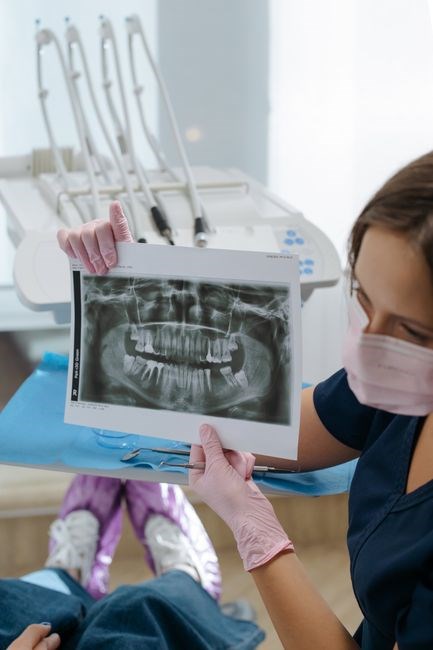
After a tooth extraction, the body begins a natural healing process that depends on the patient’s cooperation and adherence to a concise set of instructions. The printable guidelines from OMS Ohio are crafted to be user‑friendly, featuring bold headings, numbered steps, and clear language that can be referenced at any time during recovery. They stress the importance of gentle care, maintaining a clean environment, and following the recommended schedule for follow‑up appointments. By keeping these sheets handy, patients can stay organized, reduce anxiety, and ensure that they are taking the right actions to support a smooth healing process. The printable format also serves as a reminder of the importance of staying hydrated and avoiding substances that could interfere with the healing process. Patients are encouraged to keep the instructions in a visible place, such as the kitchen fridge or on the phone, to reinforce the steps throughout the day. This proactive approach helps patients feel more in control and reduces the likelihood of complications that can arise from neglecting simple precautions. The instructions emphasize the value of gentle handling of the surgical site, the role of proper hydration, and the benefit of a calm environment for optimal tissue repair. By following these general guidelines, patients can maintain a steady pace of recovery, avoid unnecessary stress, and stay connected with their care team. The printable sheet is designed to be a quick reference that patients can carry with them, ensuring that the key points are always within reach and that the recovery journey is as smooth and stress‑free as possible.
Preparation Before Printing
Before printing, gather patient details: name, date of birth, procedure type, and surgeon notes. Verify the PDF template matches the specific extraction. Ensure the document is up‑to‑date, free of typos, and includes contact info for follow‑up questions. Print and give copies to the patient today.
Required Patient Information
Collect the following data before printing the instructions: full name, date of birth, and address. Include the exact date and type of extraction (single tooth, multiple, impacted, or surgical). Record the surgeon’s name, office number, and the clinic’s fax or email for follow‑up. Note the patient’s primary care physician and any specialists involved. List current medications, over‑the‑counter drugs, and supplements, especially anticoagulants or anti‑inflammatories; Document known drug allergies, food sensitivities, and any chronic conditions such as diabetes, hypertension, or bleeding disorders. Provide a recent dental history, including previous extractions, periodontal status, and oral hygiene habits. Record the patient’s insurance carrier, policy number, and co‑pay details for billing. Include a primary emergency contact with phone number and relationship. Finally, confirm the patient’s preferred language and any special accommodations needed for the printed sheet. This comprehensive data set ensures the instructions are tailored, accurate, and legally compliant, reducing the risk of complications and improving recovery outcomes.
The printed sheet should be reviewed by the patient before leaving the office. The patient is encouraged to sign the form to acknowledge receipt of the instructions. All questions should be directed to the office at the provided phone number. The instructions are available in multiple languages upon request. The patient should keep a copy for future reference and bring it to any appointments. OK
Immediate Post-Operative Care
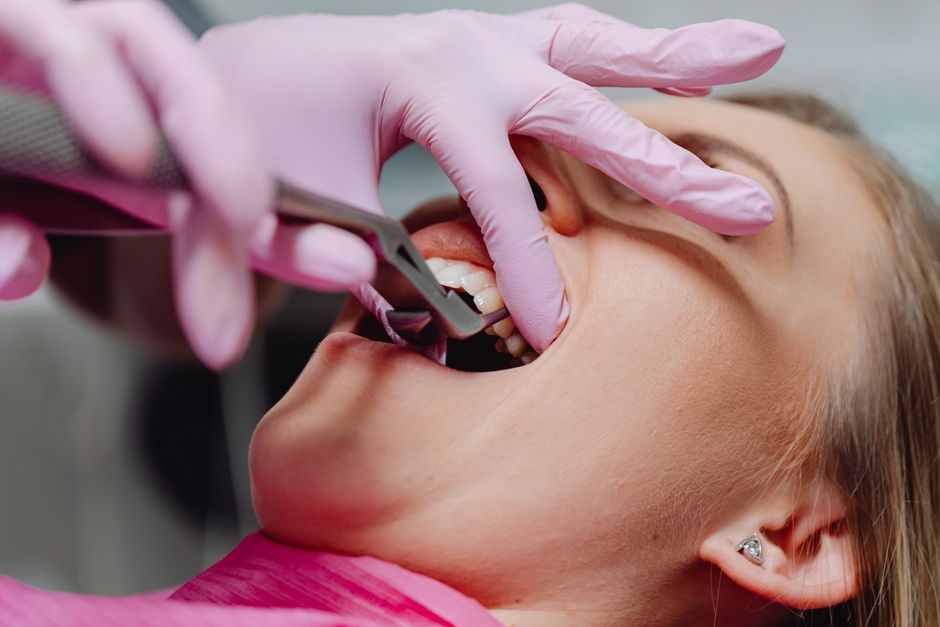
Apply gauze for 30-45 min, gently bite to keep pressure. Avoid spitting, rinsing, or using a straw for 24 hrs. Keep head elevated, use ice packs 15 min on, 15 min off. Monitor for bleeding; replace gauze if clot dislodges. Report severe pain or swelling.Keep the gauze in place until bleed stops!
Managing Bleeding and Swelling
Immediately after extraction, keep a clean gauze pad against the socket and bite gently for 30‑45 minutes. If bleeding persists, replace the pad with a fresh one and apply firm, steady pressure. Do not remove the pad until the bleeding has slowed or stopped. If clot dislodges, place a new gauze and continue pressure for another 30 minutes. Use a cold compress on the outside of the face for 15 minutes, then 15 minutes off, for the first 24 hours to reduce swelling. Avoid heat sources such as hot coffee, soups, or heating pads. Keep the head elevated with an extra pillow or by propping the upper body on a recliner; this helps blood flow away from the surgical site. If swelling exceeds the normal mild puffiness or if you experience a sudden increase in pain, dizziness, or fever above 100.4°F (38°C), contact your surgeon immediately. Do not use alcohol or nicotine during the first 48 hours, as they can impair clotting and delay healing. Follow the prescribed anti‑inflammatory medication schedule to control inflammation, and avoid strenuous exercise or heavy lifting for at least 48 hours to prevent re‑bleeding. Monitor the socket for any signs of infection such as foul odor, pus, or persistent redness, and report these symptoms promptly. By adhering to these steps, you can minimize complications and promote a smoother recovery.
Keep the surgical site clean by rinsing with warm salt water after 24 hours, and avoid touching area with fingers or cotton swabs.!
Pain and Medication Guidance
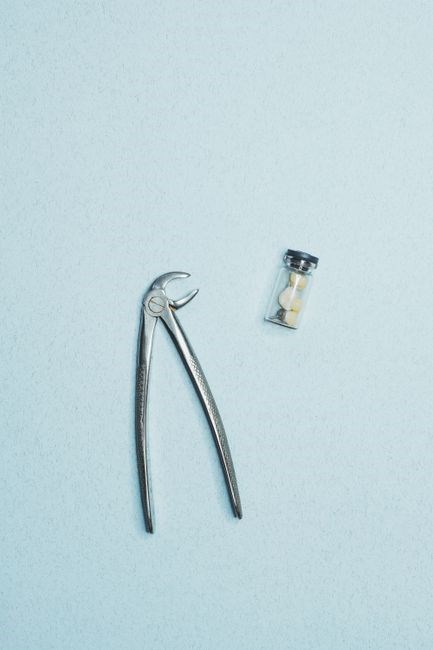
Take NSAIDs every 6–8 hours after dose contraindicated. Follow dentist’s instructions. Use cold compress for 15 minutes each hour 24 hours to reduce pain and swelling. Avoid alcohol and smoking 48 hours. If pain persists beyond 48 hours, contact surgeon today
Recommended Analgesics

After a tooth extraction, pain control is vital for a smooth recovery. The first line of defense is an over‑the‑counter NSAID such as ibuprofen 400–600 mg taken every 6–8 hours, or as directed by your surgeon. If you cannot tolerate NSAIDs, acetaminophen 500–1000 mg every 4–6 hours is an acceptable alternative. For moderate to severe pain, a short course of a low‑dose opioid—oxycodone 5 mg or hydrocodone 5 mg—may be prescribed, but it should be used only for the first 24–48 hours and in the smallest effective dose. Follow the exact dosage and timing on the prescription label or your surgeon’s written plan. Do not double‑dose or combine medications unless specifically advised. Keep a medication log to record doses, timing, and any side effects. If you experience nausea, dizziness, or an allergic reaction such as rash or swelling, stop the medication and contact your dentist immediately. Take pain medication with food or milk to protect your stomach lining. Hydration and a balanced diet can also help reduce pain and promote healing. Remember to follow the surgeon’s instructions for medication timing and dosage. If pain persists beyond 48 hours or worsens, call your oral surgeon for further evaluation and possible adjustment of your pain management plan.
When taking prescription opioids, always follow the taper schedule and avoid sudden discontinuation, which can lead to withdrawal symptoms. Store all medications in a secure place out of reach of children. If you miss a dose, do not double up; instead, take the next scheduled dose. Keep your contact information handy in case of emergencies. Thank you!!

Oral Hygiene and Rinsing Protocol
After extraction, maintain oral care. Avoid brushing the socket for 24 h, then use a brush. Begin rinsing with warm saline 0.9% after 24 h, swishing for 30 s, 2–3 times daily. Do not spit forcefully; spit slowly to prevent dislodging the clot.
!
Safe Rinsing Techniques
Begin rinsing only after the first 24 hours post‑extraction to allow the clot to stabilize. Use a mild, warm saline solution (½ teaspoon salt dissolved in 8 oz warm water). Gently swish for 30 seconds, then tilt the head to the opposite side and allow the liquid to drain naturally. Repeat this process 2–3 times per day, preferably after meals. Avoid any vigorous or forceful rinsing motions; the suction created by a strong swish can dislodge the clot and delay healing. Do not use mouthwash, alcohol‑based rinses, or any product containing essential oils until the dentist clears it. When rinsing, keep the mouth closed for a few seconds before exhaling to reduce pressure on the socket. If bleeding persists, apply a clean gauze pad to the area and gently bite for 30–45 minutes. Should you experience persistent bleeding, swelling, or pain, contact your oral surgeon promptly. Following these gentle rinsing steps helps maintain cleanliness while protecting the surgical site and promoting a smoother recovery. Remember to keep the head elevated with pillows during sleep; this reduces blood flow to the extraction site and helps control swelling. If you notice a sudden increase in pain, a foul taste, or a persistent foul odor, these may signal infection and warrant immediate consultation. Finally, adhere strictly to the follow‑up appointment schedule; your surgeon may need to assess healing and remove any remaining sutures. By following these rinsing and care guidelines helps you heal lowers complication risk after extraction.!!

Dietary Restrictions and Recommendations
After extraction, eat only soft foods for 48 h: yogurt, mashed potatoes, smoothies, cool soups. Avoid hot drinks, hard, crunchy, sticky foods, and alcohol. Gradually reintroduce solids as swelling subsides. Stay hydrated with water or electrolytes
Soft Food List
- Yogurt – plain or fruit‑flavored, no seeds or crunchy mix‑ins.
- Mashed potatoes – smooth, no lumps; add a small amount of butter or milk for flavor.
- Scrambled eggs – soft, fluffy, cooked until just set.
- Applesauce – unsweetened or lightly sweetened, no added spices.
- Oatmeal – cooked until very soft, add honey or maple syrup sparingly.
- Soup – pureed or broth‑based, avoid hot temperatures.
- Soft‑cooked pasta – al dente is too firm; aim for well‑cooked, almost mushy.
- Avocado – mashed or sliced, no skins or seeds.
- Silken tofu – blended or sliced, can be used in smoothies.
- Ice cream or sorbet – low‑fat, no nuts or chocolate chips.
Keep!!! when selecting foods, choose those that are easy to mash or bite without chewing. Avoid anything that could lodge in the socket or require vigorous. If discomfort occurs, return to options and consult your provider. Keep mouth moist!
Keep daily the mouth moist by sipping water or a beveragecaffeinated every few hours. Avoid hot drinks for 24 h and refrain from smoking or using a straw.

Activity and Lifestyle Restrictions
Limit heavy exercise, avoid lifting >10 lb, refrain from smoking, and use a straw for 48 h. Keep head elevated, no vigorous rinsing, and stay hydrated. Follow these guidelines to reduce bleeding, swelling, and risk of dry socket. Stay mindful of changes.
Limiting Physical Strain
After a tooth extraction, it is vital to reduce physical strain on the healing site. Avoid any activity that forces the jaw to open wide or requires sudden, forceful movements. This includes high‑intensity cardio, jumping, or any sport that demands rapid changes in direction. Instead, opt for gentle walking, light stretching, or seated exercises that keep the head and neck stable. Refrain from bending forward or twisting the torso for the first 48 hours, as these motions can increase blood flow to the area and compromise clot integrity. Keep the body upright and avoid prolonged periods of sitting or lying down with the head flat, which can encourage fluid accumulation. If you feel any discomfort or notice a change in sensation, pause the activity and rest. The goal is to allow the clot to stabilize and the tissues to begin healing without added mechanical stress. By limiting physical strain, you help ensure a smoother recovery and reduce the risk of complications.Remember that the healing process varies individually; some patients may return to normal activities sooner, while others may need extra rest. Listen to your body’s signals: any sudden increase in pain, throbbing, or unusual pressure should prompt a call to your care team. Maintaining a calm, stress‑free environment supports tissue repair. Finally, keep all follow‑up appointments and bring any questions to your care team. If you experience any new symptoms, such as persistent swelling or a foul taste, contactnow oral surgeon for guidance.

Signs of Complications and When to Seek Help
Notice persistent swelling, severe pain, or a foul taste. If bleeding doesn’t stop after 24 hrs, or you feel fever, dizziness, or a sudden increase in pain, call your surgeon immediately. Prompt care prevents infection and dry socket. Seek care within 24 hrs to avoid complications. Call 911 now.!!!
Common Warning Symptoms
After a tooth extraction, it is essential to monitor your recovery closely for any signs that may indicate a complication. Persistent swelling that continues to increase beyond the first 24 hours, severe throbbing pain that does not subside with the prescribed pain medication, or a foul taste or metallic taste in the mouth can be early indicators of infection or a dry socket. Uncontrolled bleeding that does not stop after the initial 20‑30 minutes and continues beyond 24 hours, sudden spikes in fever above 100.4 °F (38 °C), dizziness, or a sharp increase in pain that feels different from the usual post‑operative discomfort should prompt immediate contact with your surgeon or the office. If you experience any of these symptoms, call your office right away or seek urgent care. Early intervention can prevent the development of more serious conditions such as cellulitis, osteomyelitis, or a blood clot that may lead to a dangerous complication. Additionally, if you notice prolonged numbness in the lips, tongue, or chin that lasts more than 48 hours, or if you have difficulty swallowing or speaking, these could also signal nerve irritation or other issues that require prompt evaluation. By staying vigilant and responding quickly to warning signs, you help ensure a smoother healing process and reduce the risk of long‑term complications. If you are unsure about any symptom, do not hesitate to call the office; early communication can prevent serious complications and stay safe! OK